
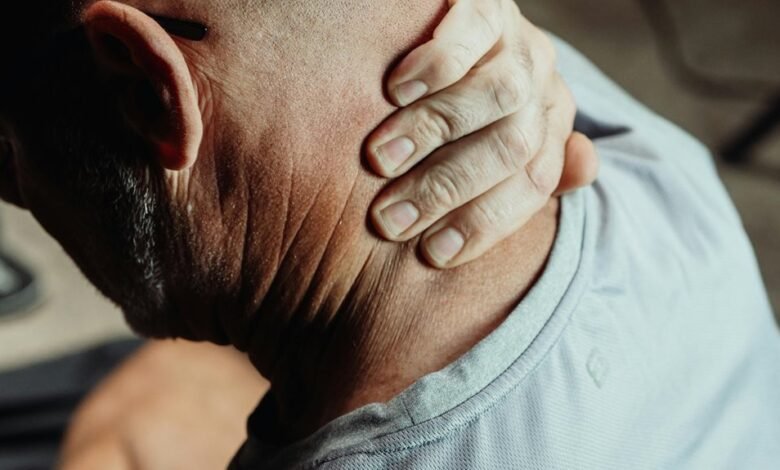
Pavatalgia does not inherently shorten life. Survival depends on overall health, comorbidities, and access to comprehensive care. Effective pain control, rehabilitation, and support can sustain function and independence. Daily routines and realistic goals influence outcomes. Ongoing medical assessment is essential to adjust treatments and prevent complications. The question remains individualized, framed by how symptoms are managed and what resources are available. Understanding these factors may help inform future discussions with clinicians.
How Pavatalgia Affects Life Expectancy: What We Know
Pavatalgia, a chronic neuropathic pain condition, can influence overall health and quality of life, but its impact on life expectancy remains uncertain. The available evidence suggests no definitive reduction in survival due to the condition alone.
Pavatalgia prognosis varies with comorbidities and care access. Daily living impact may be significant, yet precise mortality effects require individualized assessment and longitudinal study.
Factors That Influence Daily Living With Pavatalgia
Factors that influence daily living with pavatalgia encompass a range of medical, functional, and psychosocial determinants that collectively shape symptom burden and coping capacity. This landscape highlights caregiver communication as pivotal for support and safety, while daily activity modification enables sustained independence. Clear routines, realistic goal setting, and timely assistance reduce fatigue, enhance participation, and preserve autonomy within the boundaries of fluctuating symptom control.
Medical and Symptom Management to Extend Quality of Life
Effective medical and symptom management aims to prolong meaningful life by reducing pain and functional impairment while minimizing treatment-related risks.
The discussion centers on pavatalgia treatment strategies, balancing analgesia, neuromodulation options, and functional rehabilitation.
Daily coping remains essential; patients pursue consistent routines, monitoring, and adjustment with clinicians to sustain independence, minimize adverse effects, and preserve overall quality of life.
Practical, Emotional, and Social Supports for Pavatalgia Patients
Practical, emotional, and social supports play a critical role in sustaining daily functioning and psychological well-being for individuals with pavatalgia. This framework emphasizes structured support networks and accessible resources to minimize isolation. Coping strategies, including adaptive planning, goal setting, and clear communication with caregivers, augment resilience. Clinically oriented interventions should remain person-centered, scalable, and adaptable to evolving needs and preferences.
Conclusion
In the forest of chronic pain, pavatalgia stands as a stubborn tree, its roots winding through patient histories. The canopy—composed of medical care, rehabilitation, and support—shields the vulnerable understory from storms of frailty. With careful pruning of symptoms, steady irrigation of treatments, and vigilant guardianship by clinicians and loved ones, the woods endure. Life expectancy remains individualized, not predetermined; the healthful ecosystem can prosper through proactive, person-centered stewardship that preserves function, dignity, and peace.