
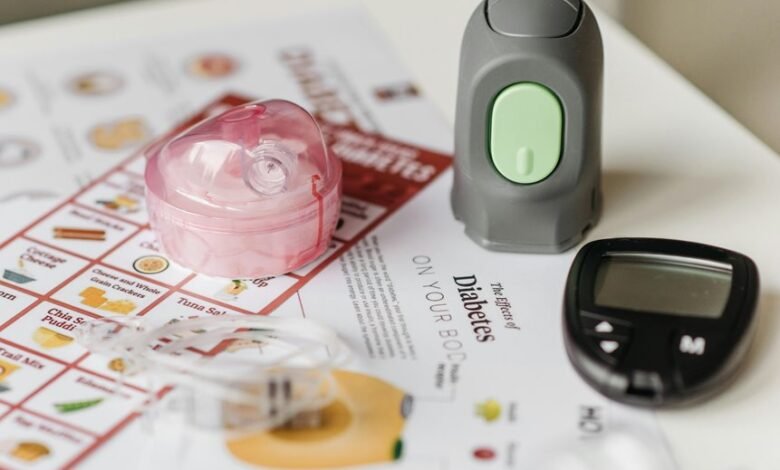
Health Risk Discovery guides offer a structured way to assess online medical concerns. They emphasize credible signals, reproducible evidence, and independent checks, helping distinguish solid information from noise. The approach favors transparent criteria, scalable workflows, and timely professional input when warranted. It supports clear, non-alarmist communication and patient empowerment. Yet the question remains: how do these methods hold up across diverse cases and evolving research, and what steps keep risk assessment practical and reliable?
What Is Health Risk Discovery and Why It Matters
Health risk discovery is the systematic process of identifying, assessing, and interpreting potential threats to health outcomes within populations.
It frames how data become knowledge, guiding decisions that protect communities.
By examining health signals and applying risk assessment, researchers distinguish patterns from noise, prioritize interventions, and monitor trends.
This disciplined approach underpins transparent, evidence-based public health action and accountability.
How to Spot Credible Health Signals Without Noise
In the pursuit of reliable health risk discovery, distinguishing credible signals from background noise hinges on rigorous methods and transparent criteria. The discussion identifies risk signals with reproducible evidence, avoiding rumor and cherry-picked data. Information credibility rests on source quality, study design, and independent verification. Clear thresholds separate signal from noise, guiding informed decisions without sensationalism or overreach.
A Practical Framework to Assess Risk Levels Online
A practical framework for online risk assessment combines transparent criteria, reproducible signals, and scalable workflows to separate genuine health concerns from noise. This approach emphasizes structured evaluation, objective benchmarks, and ongoing validation. It identifies risk signals through reproducible methods, prioritizing actionable data. The framework supports transparent communication and responsible online assessment, enabling informed, autonomous decisions while minimizing unnecessary alarm.
When to Seek Professional Help and How to Act Safely
When should professionals be consulted, and what steps ensure safe, responsible action? The article describes recognizing significant health signals, prioritizing professional evaluation when symptoms worsen, persist beyond a reasonable period, or involve high-risk features. It emphasizes measured responses, cautious reliance on online guidance, timely follow-ups, and documented observations. Decisions should be evidence-based, non-alarmist, and aimed at safeguarding well-being and appropriate care access.
Conclusion
This guide closes with a clear-eyed, measured stance: online health signals deserve careful attention, not alarm. By distinguishing credible hints from noise, readers are gently steered toward reproducible evidence and independent checks before drawing conclusions. When uncertainty arises, professional consultation is recommended, approached with calm practicality. The aim is prudent action that protects well-being while preserving access to appropriate care, using transparent criteria and responsible communication that defuses panic and supports informed, timely decisions.