
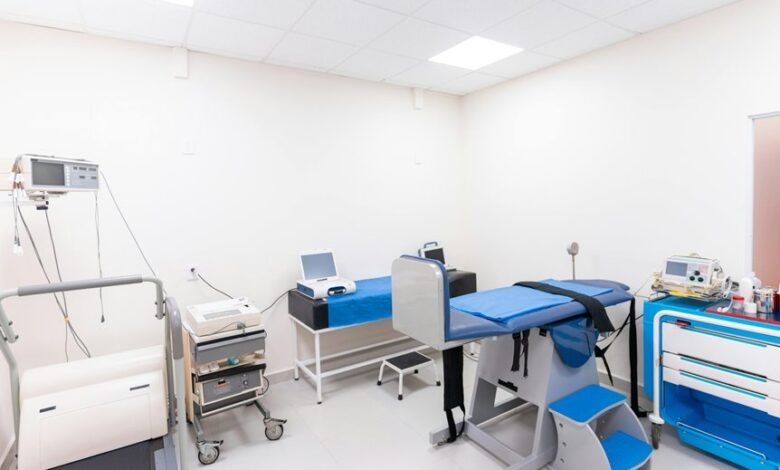
The Medical Clinic Discovery Guide for Läjetskliniken outlines a structured approach to identifying suitable care. It emphasizes defining precise needs, comparing providers with transparent metrics, and seeking clear pricing, credentials, and rights information. Planning efficient appointments and documenting goals are highlighted. The framework invites patients to weigh evidence, experiences, and outcomes while aligning choices with health goals and values. It leaves the reader with a concrete next step to pursue more reliable, accountable options.
How to Define Your Läjetskliniken Needs
When defining Läjetskliniken needs, patients should begin by clarifying the specific medical services required, including whether primary care, chronic disease management, preventive services, or specialist referrals are involved.
A structured needs assessment identifies gaps, aligns expectations, and informs decision-making.
This process clarifies service priorities, supports targeted planning, and enhances freedom to choose options that best fit individual health goals and values.
How to Compare Services, Providers, and Outcomes
In evaluating Läjetskliniken options, patients should systematically compare services, providers, and outcomes using standardized criteria and reliable data. The analysis emphasizes transparent metrics, peer-reviewed evidence, and consistent reporting.
Research compares providers through independent reviews and objective performance indicators, while evaluating outcomes focuses on effectiveness, safety, and patient-reported experiences. Comparing providers and evaluating outcomes guide informed, freedom-oriented decisions.
What Transparent Information to Look For
What transparent information should patients expect when evaluating Läjetskliniken options? The evaluation emphasizes transparent pricing details, including itemized costs and any ancillary fees. Clear disclosures cover service guarantees, refund policies, appointment wait times, and clinician credentials. Documentation of regulatory compliance, patient rights, and data privacy is provided to support informed choices, promoting freedom through verifiable, evidence-based expectations.
How to Plan Your Appointment and Next Steps
To move from evaluating transparency to taking concrete steps, readers should start by outlining their appointment goals and the required information to make an informed choice.
The guidance emphasizes structured appointment planning, documenting concerns, and preferred timelines, while noting potential questions for clinicians.
A patient needs assessment supports efficient scheduling and follow-up, enabling informed decisions and streamlined next steps in care planning.
Conclusion
In applying the Läjetskliniken discovery framework, the patient defines precise needs, compares providers with transparent metrics, and seeks clear pricing, credentials, and rights information. The approach emphasizes planning efficient appointments, documenting goals, and preparing targeted questions. Patient experiences and evidence-based outcomes inform decisions, supporting tailored care aligned with values and health goals. This method fosters accountability and access to trusted services. Like a vintage smartwatch in a modern clinic, the framework blends old rigor with contemporary clarity for informed care.