
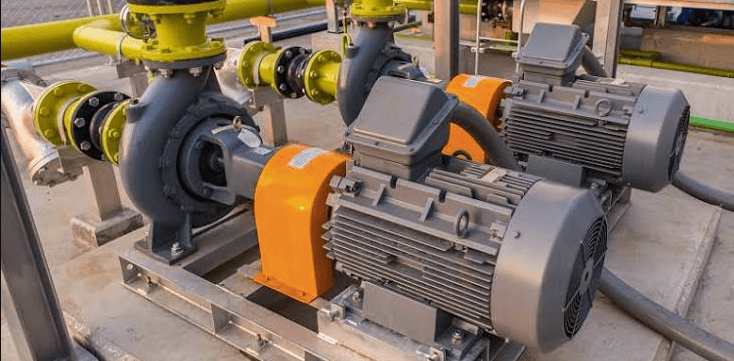
Industrial hydraulic pumps power an enormous range of equipment across manufacturing, construction, and material handling applications. For engineers specifying pumps for a new system, understanding the core specifications that actually matter helps avoid mismatches between pump capability and system requirements.
Flow Rate and Pressure Rating Fundamentals
A pump’s flow rate, typically measured in gallons or liters per minute, and its maximum pressure rating together determine how much power it can deliver to a hydraulic system. Engineers need to match these specifications carefully to the actual demands of the actuators or motors the pump will be powering.
Displacement Type: Fixed Versus Variable
Fixed displacement pumps deliver a constant flow rate for a given operating speed, while variable displacement pumps can adjust flow output based on system demand, offering potential efficiency advantages in applications with varying load requirements. Choosing between these two categories depends heavily on the specific duty cycle of the application.
Noise Levels and Vibration Considerations
For applications where operator comfort or noise regulations are a concern, pump noise output becomes an important specification alongside pure performance metrics. Certain pump designs inherently operate more quietly than others, which is worth factoring into the selection process for noise-sensitive environments.
Contamination Sensitivity and Filtration Requirements
Different pump designs have varying tolerances for fluid contamination, with some configurations requiring more rigorous filtration systems to maintain reliable operation. Understanding a pump’s contamination sensitivity helps engineers design an appropriately robust filtration strategy for the overall hydraulic system.
Temperature Range and Fluid Compatibility
Industrial hydraulic pumps need to be matched not only to the expected operating temperature range but also to the specific type of hydraulic fluid being used, since certain seal materials and internal components may not be compatible with every fluid type on the market.
Comparing Pump Specifications for Your Application
Engineers can review the range of flow rates, pressure ratings, and displacement configurations offered through an industrial hydraulic pumps supplier to compare options against their specific system requirements.
Maintenance Planning for Long-Term Reliability
Establishing a proactive maintenance schedule, including regular fluid analysis and seal inspection, helps extend the operational life of industrial hydraulic pumps and reduces the risk of unexpected failures that can halt production.
See also: Technology News Discovery Hub Latest Tech Trends Gamrawtek Revealing Innovation Updates
Frequently Asked Questions
What is the difference between fixed and variable displacement pumps? Fixed displacement pumps deliver constant flow at a given speed, while variable displacement pumps can adjust output based on system demand, which can improve efficiency in applications with varying load requirements.
How does fluid contamination affect hydraulic pump performance? Contamination can accelerate wear on internal pump components and reduce overall system reliability, which is why matching a pump’s contamination tolerance to an appropriate filtration strategy is an important design consideration.
Why does hydraulic fluid compatibility matter when selecting a pump? Certain seal materials and internal components are only compatible with specific fluid types, so confirming compatibility upfront helps avoid premature component failure or reduced pump performance.
Final Thoughts
Specifying the right industrial hydraulic pump requires careful attention to flow rate, pressure rating, displacement type, and fluid compatibility. Engineers who understand these core specifications are better positioned to select a pump that delivers reliable performance throughout its intended service life.