
Academic Study Insight Hub Histologi offers a framework for explaining histology-related search queries with clarity and precision. It emphasizes defining tissue type, objective, and measurable outcomes to frame precise questions, then links micrographs to study goals through architecture-driven hypotheses. Attention to staining patterns and tissue components supports reproducible inquiries, while warnings against vague terms and single-source bias promote balanced, evidence-based interpretation. This approach invites further exploration of methods to sharpen diagnostic reasoning and collaborative analysis.
What Histology Is and Why It Matters for Study
Histology is the scientific study of the microscopic structure of tissues, linking cellular composition to organ function and disease processes. The discipline clarifies how tissue architecture supports physiology, guiding interpretation of health and pathology. Histology basics underpin practical assessment, while study relevance informs experimental design, diagnostic reasoning, and interdisciplinary collaboration, enabling informed decisions and rigorous evidence-based conclusions in biomedical inquiry.
How to Frame Your Histology Queries for Quick Answers
Framing histology queries effectively accelerates obtaining precise, actionable insights. To enable quick querying, users should specify the tissue type, objective, and anticipated outcome, avoiding ambiguity. Focus optimization occurs through targeted keywords, defined constraints, and clarifying questions.
Practical tips include structuring search phrases, validating sources, and iterating with precise feedback. Quick querying, focus optimization, practical tips? support efficient, evidence-based understanding.
Decoding Tissue Architecture: From Micrographs to Study Goals
Is it possible to translate micrographs into concrete study goals by mapping observed tissue architecture to experimental questions?
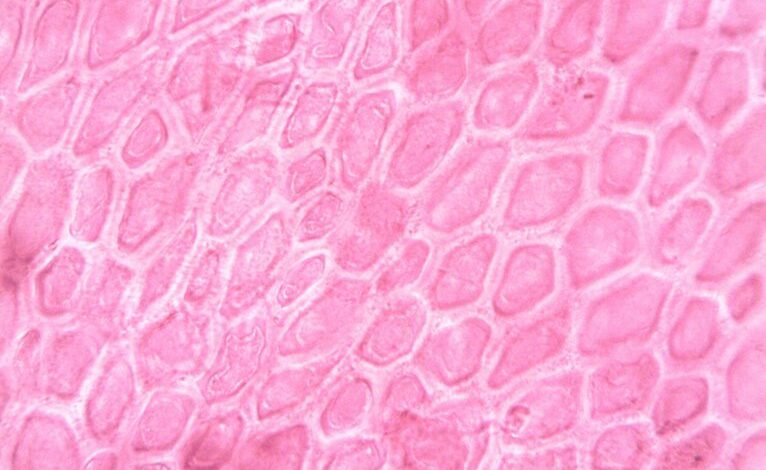
Decoding tissue architecture requires systematic microstructure interpretation, linking morphological features to hypotheses and measurable endpoints.
Staining patterns reveal component distributions, enabling goal-oriented planning.
This approach emphasizes evidence-based criteria, reproducibility, and clear operational definitions, guiding researchers toward focused inquiries rather than exploratory description, with freedom to adapt methods.
Troubleshooting Common Histology Search Pitfalls and Shortcuts
Often overlooked pitfalls in histology searches arise from misaligned keywords, ambiguous queries, and overreliance on single sources; a systematic approach balances specificity with breadth to ensure reproducible, evidence-based results. This section discusses troubleshooting strategies, emphasizing disciplined query framing and efficient use of study shortcuts to minimize extraneous results while preserving methodological rigor and interpretive clarity for histology researchers.
Conclusion
In summary, the article demonstrates how to translate histology queries into precise study goals by defining tissue type, objective, and measurable outcomes. It emphasizes linking micrograph features to hypotheses and endpoints, with attention to staining patterns and tissue components. By avoiding ambiguous terms and single-source bias, it advocates balanced, evidence-based searches. This approach enables reproducible, collaborative diagnostic reasoning, guiding readers to get to the point—without beating around the bush—while maintaining rigor and clarity.