
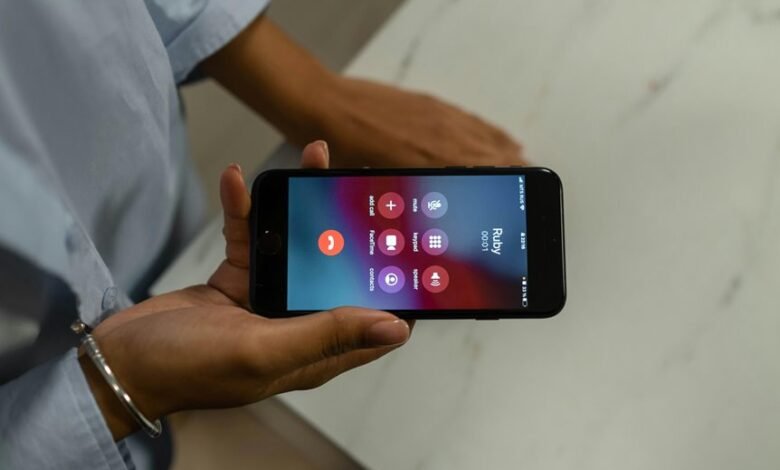
A reviewer examines how a Caller Identification Question Portal can verify spam numbers through observable signals and independent data. The approach uses quick on-device checks and reproducible steps, then expands to metadata cross-checks and pattern analyses. It weighs consistency across sources and corroboration from trusted datasets. The goal is transparent, repeatable procedures that guide next actions, yet the method remains cautious about uncertainty and open questions that demand continued scrutiny.
What Is a Spam Number and Why It’s Tricky
A spam number is a telephone line used primarily to deliver unsolicited or deceptive communications, often through mass calling, robocalls, or deceptive caller IDs. The topic analyzes intent and structure, distinguishing legitimate updates from manipulation. What is spam, in this context, hinges on persistence and misrepresentation. Why tricky aspects emerge: evolving tactics, masking origins, and exploiting trust without consent. Precision clarifies risks and defenses.
Quick Checks You Can Do on Your Phone
Quick checks on a phone involve simple, systematic steps to identify potential spam or unknown callers. The approach emphasizes measurable indicators such as Caller ID accuracy and call screening protocols, ensuring consistent assessment. A detached, analytical stance avoids speculation, focusing on observable signals, corroboration with recent call histories, and cross-checking numbers against trusted directories to minimize false positives and enhance decision confidence.
Verification Methods That Actually Work
Verification methods that actually work are those grounded in verifiable signals and reproducible procedures, not heuristics. The approach catalogs verifiable indicators such as authority, frequency patterns, and caller metadata. It presents repeatable steps to validate a spam number using independent datasets and cross-checks. The framework emphasizes transparency, documentation, and reproducibility as core elements of reliable verification methods that empower informed decisions.
How to Decide What to Trust and What to Do Next
When deciding what to trust and what actions to take next, one must weigh the credibility of sources against the reproducibility of the signals they provide. Evaluators profile spam numbers by consistency, corroboration, and context, reducing caller risk through cross-checks.
Systematic filtering, documentation, and thresholding ensure decisions remain transparent, repeatable, and free from bias, guiding prudent responses to uncertain calls.
Conclusion
A methodical approach reveals that identifying spam numbers hinges on corroborated signals rather than single indicators. By cross-checking caller ID, call history, and metadata against trusted datasets, one discovers consistent patterns that separate noise from truth. The process resembles assembling a puzzle: each verified piece strengthens the overall picture, while inconsistencies prompt recalibration. When signals align, proceed with caution; when they don’t, document findings, update thresholds, and select the safest subsequent action.