
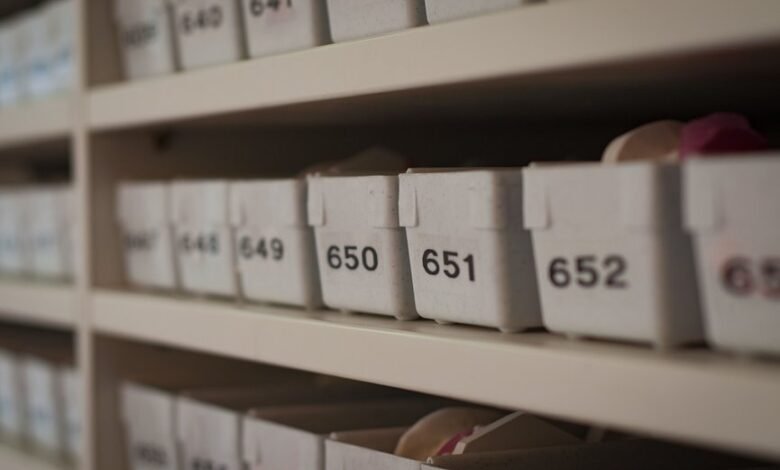
Public Number Archives for the listed numbers require a governance-informed approach grounded in provenance and lawful access. Each number must be verified for ownership, provenance, and current access constraints, with a clear audit trail and redaction where appropriate. Crosswalks to stable identifiers should be constructed to ensure reproducibility and long-term verifiability. The process hinges on transparent protocols, metadata interpretation, and disciplined retrieval, all while preserving privacy. The implications for disclosure and preservation compel careful consideration before proceeding.
What Public Number Archives Are and Why They Matter
Public Number archives are centralized repositories that collect and preserve messages, posts, and related metadata generated by public accounts across digital platforms. They function as disciplined records systems, supporting public records integrity and accountability. Ethical access governs use, while metadata interpretation reveals provenance and context. Archives identification enables accurate provenance tracking, ensuring discoverability, longevity, and verifiability without compromising privacy or civil liberties.
How to Identify Individual Archives for Each Number
To identify individual archives for each number, one must first verify source ownership and platform scope before cataloging governing metadata. The process emphasizes disciplined appraisal: isolate archive boundaries, confirm provenance, and document lineage. Identify archives with consistent identifiers, assemble crosswalks, and record access constraints. Public records framing guides selection, while tiered metadata supports retrieval, verification, and ethical disclosure within a transparent archival system.
Steps to Legally and Ethically Access Public Records
Access to public records must proceed within established legal and ethical frameworks. The process follows formal procedures, ensuring verification, transparency, and accountability. Accessors evaluate legitimacy, maintain audit trails, and respect rights, while complying with statutory limits. Privacy implications and data governance considerations guide credentialing, redaction, and disclosure practices, balancing public interest with individual protections. Standards ensure reproducibility, accuracy, and ongoing archival stewardship for future research and oversight.
Interpreting Metadata and Avoiding Common Pitfalls
Metadata interpretation is central to reliable archival work, as it provides the structural and contextual context required to assess provenance, authenticity, and retrieval paths. The discussion remains precise and detached, outlining how interpreting metadata informs source lineage, access permissions, and preservation decisions. It also highlights common errors, guiding practitioners toward avoiding pitfalls and maintaining disciplined, transparent workflows for enduring access and interpretation.
Conclusion
In a neatly synchronized sequence, the archivist notes the serendipitous alignment of identifiers with their sources. Each number’s provenance unfolds through transparent audits, revealing shared metadata patterns and distinct access constraints. The coincidence of redacted details and preserved provenance underscores disciplined retrieval, reproducibility, and privacy safeguards. Thus, governance-driven handling yields verifiable archives where crosswalks map to stable identifiers, enabling consistent interpretation and long-term accountability across public number archives.