
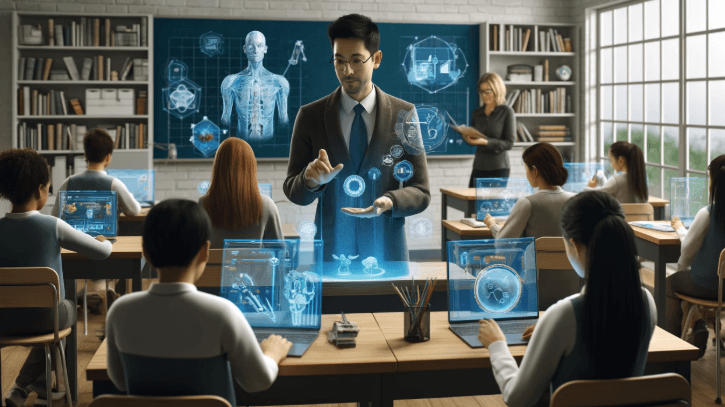
Education is evolving rapidly as artificial intelligence becomes a core part of modern classrooms. In 2026, teachers are no longer limited to traditional methods of instruction and manual administrative tasks. Instead, they are supported by intelligent systems that help them teach more effectively, manage classrooms efficiently, and improve student outcomes.
AI-driven tools are transforming education by reducing workload, enhancing personalization, and providing real-time insights into student performance. This shift allows educators to focus more on mentorship, creativity, and meaningful engagement with students rather than repetitive tasks.
Understanding AI-Driven Tools in Education
AI-driven tools in education refer to software and systems that use artificial intelligence to assist teachers in various aspects of teaching and classroom management. These tools can analyze student data, automate grading, generate lesson plans, and even provide personalized recommendations for students.
Unlike traditional educational software, AI-driven systems learn from data and improve over time. They adapt to different teaching styles and student needs, making them highly effective in modern learning environments.
These innovations are redefining how educators approach teaching in classrooms around the world.
How AI is Empowering Modern Teachers
Artificial intelligence is empowering teachers by simplifying complex tasks and providing actionable insights. Teachers can now understand student performance at a deeper level through AI-powered analytics.
For example, platforms developed by Google help educators create interactive lessons and monitor student engagement in real time. Similarly, Microsoft offers advanced educational tools that support lesson planning, grading, and virtual collaboration.
These technologies enable teachers to make data-driven decisions that improve classroom outcomes and ensure no student is left behind.
Key Benefits of AI-Driven Tools for Teachers
1. Automated Grading and Assessment
One of the biggest advantages of AI in education is automated grading. Teachers can evaluate assignments, quizzes, and exams quickly and consistently. This reduces workload and allows more time for direct interaction with students.
2. Personalized Learning Support
AI-driven tools analyze student performance and provide personalized recommendations. Teachers can use this data to tailor lessons according to individual learning needs.
3. Lesson Planning Assistance
AI systems can generate structured lesson plans based on curriculum requirements. This helps teachers save time and maintain consistency in teaching quality.
4. Classroom Management Support
AI tools help monitor attendance, track participation, and identify behavioral patterns in students. This allows teachers to maintain a more organized and productive classroom environment.
5. Real-Time Student Insights
Teachers can access real-time analytics about student progress. This helps identify struggling students early and provide timely support.
Role of teacher ai tools in Modern Education
Modern education systems increasingly rely on teacher ai tools to enhance teaching effectiveness and reduce administrative burden. These tools act as intelligent assistants that support educators throughout the teaching process.
With teacher ai tools, teachers can automate repetitive tasks, personalize instruction, and gain deeper insights into student learning patterns. This leads to more efficient classrooms and improved academic performance.
AI also helps teachers focus on emotional and cognitive development by freeing them from time-consuming administrative responsibilities.
AI-Powered Classroom Transformation
AI is transforming classrooms into interactive and intelligent learning environments. Instead of traditional lecture-based teaching, classrooms now use adaptive learning systems, virtual simulations, and real-time feedback tools.
Teachers can engage students through interactive content that adjusts based on their understanding. This makes learning more engaging and effective.
AI-powered systems also encourage collaboration between students through group activities and digital learning platforms.
How AI Improves Teacher Efficiency
AI-driven tools significantly improve teacher efficiency by automating routine tasks and providing smart recommendations.
For instance, instead of manually analyzing test results, AI systems generate detailed reports highlighting student strengths and weaknesses. This allows teachers to quickly identify areas that need improvement.
Additionally, AI helps reduce administrative workload by managing schedules, tracking attendance, and organizing classroom resources.
See also: Navigating the Financial Realities of Cosmetic Enhancement Procedures
Challenges in Adopting AI in Education
Despite its advantages, the adoption of AI-driven tools comes with challenges.
One major challenge is the need for proper training. Teachers must be trained to effectively use AI systems in their classrooms.
Another challenge is data privacy. Since AI tools collect student information, it is essential to ensure that this data is securely stored and protected.
There is also the issue of unequal access to technology. Not all schools have the infrastructure required to implement advanced AI systems.
Finally, there is concern about over-dependence on technology, which may reduce human interaction in education.
The Future of AI-Driven Teaching
The future of education will be deeply influenced by artificial intelligence. AI-driven tools will continue to evolve and become more advanced, offering even greater support to teachers.
We can expect to see fully automated grading systems, AI-powered virtual teaching assistants, and real-time classroom analytics that provide instant feedback.
Companies like Google and Microsoft are continuously developing innovative solutions that will redefine how teachers work in the future.
In the coming years, AI will not replace teachers but will empower them to become more effective educators.
Conclusion: Empowering Educators with Smart Technology
AI-driven tools are revolutionizing education by empowering teachers with intelligent systems that simplify teaching, improve efficiency, and enhance student outcomes.
The use of teacher ai tools ensures that educators can focus more on teaching, mentoring, and inspiring students while AI handles administrative and analytical tasks.
As technology continues to advance, AI will play an increasingly important role in supporting teachers and shaping the future of education worldwide, creating smarter, more efficient, and more engaging classrooms.