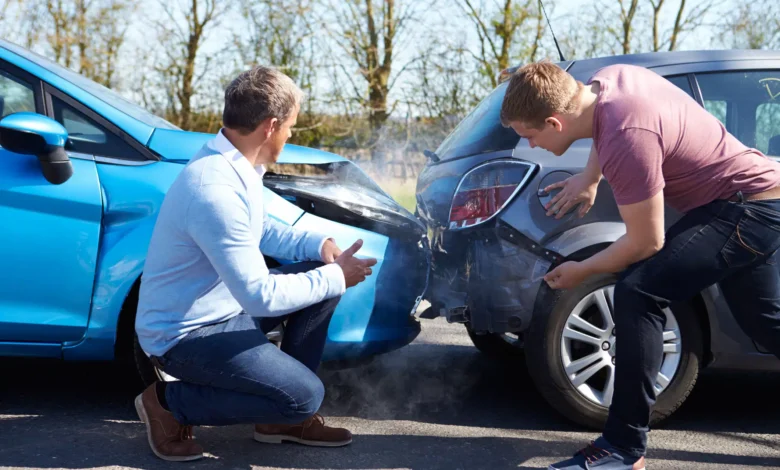
Determining fault after a parking lot scrape or minor collision can be confusing. Many drivers mistakenly believe that traffic laws do not apply on private commercial property, such as shopping malls, grocery stores, or office parks.
While police costly rarely issue tickets on private lots, liability for damages still applies. Here is what you need to know about determining fault and handling a fender bender on commercial property.
Understanding the Rules of the Lot
Private lots do not have the same legal status as public roads, but insurance companies still rely on standard right-of-way rules to determine liability.
- Thoroughfare Lanes: These are the main roadways entering and exiting the commercial property. Drivers in these lanes generally have the right of way.
- Feeder Lanes: These are the smaller lanes between rows of parked cars. Drivers moving from a feeder lane must yield to traffic in the thoroughfare lanes.
- Parking Spaces: Drivers pulling out of a parking space must always yield to vehicles traveling down the feeder lane.
Common Scenarios and Who is At Fault
Most parking lot accidents fall into a few predictable categories. Insurance adjusters typically assign fault based on these scenarios:
- Backing Out of a Space
If you hit a car while backing out of a parking spot, you are almost always liable. Moving vehicles in the lane have the right of way. You must ensure the path is entirely clear before reversing. - Two Cars Backing Into Each Other
When two drivers back out of opposite spaces simultaneously and collide, both drivers usually share fault. Because both vehicles were moving and both drivers had a duty to look before backing up, insurance companies typically split the liability 50/50. - The Rear-End Collision
Just like on public roads, if a driver rear-ends a stopped or slowly moving vehicle in a parking lot lane, the trailing driver is at fault. Drivers are expected to maintain a safe following distance, even at low speeds. - Ignoring Traffic Signs
Commercial properties often feature stop signs, yield signs, and speed limit markers. If a driver runs a stop sign at a mall intersection and hits another vehicle, the driver who ignored the sign is liable.
We spoke with an injury attorney in Melbourne, Florida and this is what she had to say. “If you are injured in cases like these, the best idea is to hire an attorney. We can see all the angles and know exactly who to hold responsible. Sometimes this can be more than one party. An insurance company is not going to give you what you deserve without the proper amount of pressure.”
Can the Property Owner Be Held Liable?
In rare cases, the owner of the commercial property may share liability for a fender bender. Under premises liability law, businesses must maintain safe conditions. A property owner might be liable if the accident was directly caused by:
- Poor Design: Blind spots created by structural pillars or poorly placed landscaping.
- Lack of Maintenance: Faded directional arrows, broken stop signs, or giant potholes that force drivers to swerve unexpectedly.
- Inadequate Lighting: Dimly lit parking structures that make it impossible to see oncoming traffic.
See also: Mutf_In: Icic_Pru_Tech_Aw67gu
Steps to Take Immediately After a Fender Bender
Protect yourself and your finances by taking the right steps immediately following a minor crash:
- Stay at the Scene: Never leave, even if the other car is parked and unoccupied. Leaving is considered a hit-and-run.
- Document the Damage: Take clear photos of both vehicles, the license plates, the surrounding lanes, and any relevant traffic signs.
- Exchange Information: Collect the other driver’s name, phone number, insurance provider, and policy number.
- Notify Management: If the accident occurred at a business, report it to the store manager or property security. Ask them to log the incident and secure any security camera footage.
- File an Insurance Claim: Report the accident to your insurance company quickly to get the repair process started.